
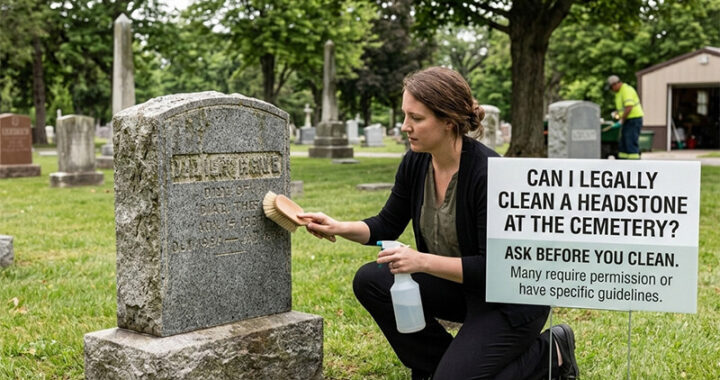
Can I Legally Clean a Headstone at the Cemetary?
📋 Table of Contents
Cleaning a loved one’s headstone is a meaningful way to honor their memory, but many people don’t realize there are legal considerations involved. Before you grab a brush and bucket, it’s important to understand the rules that goveren cemetery maintenance and headstone care.
Understanding the Legal Landscap
The legality of cleaning a headstone depends on several factors, including ownership rights, cemetery regulations, and local laws. Generally speaking, families have the right to maintain graves of their relatives, but this right isn’t absolute.
In the U.S., approximately 85% of cemeteries are privately owned, while 15% are govt-managed. Each type has different regulations regarding headstone maintenance.
Why Permision Matters
Even if you’re a direct descendant or family member, you should always seek permission from cemetery management before cleaning a headstone. Here’s why:
- Property rights: The cemetery owns the land, even if your family owns the burial plot
- Preservation concerns: Improper cleaning can cause irreversable damage to historic markers
- Liability issues: If something goes wrong, the cemetery could be held responsible
- Insurance requirements: Some cemeteries have specific insurance policies that require oversight
According to the Association for Gravestone Studies (AGS), over 60% of historic headstones have been damaged by well-intentioned but improper cleaning attempts.
A Real-Life Exmaple
Case Study: In 2018, Sarah Mitchell from Pennsylvania decided to clean her great-grandmother’s headstone at a historic cemetery in Philadelphia. Without asking permission, she used a power washer and harsh chemicals to remove decades of grime. The 150-year-old marble headstone suffered significant erosion, and the cemetery threatened legal action.
After negotiations, Sarah had to pay $3,200 for professional restoration and publicly apologize. The cemetary director explained that if she’d simply asked, they would’ve provided proper cleaning supplies and guidance for free. This incident highlights why communication w/ cemetery officials is crucial.
Proper Cleaning Methoods
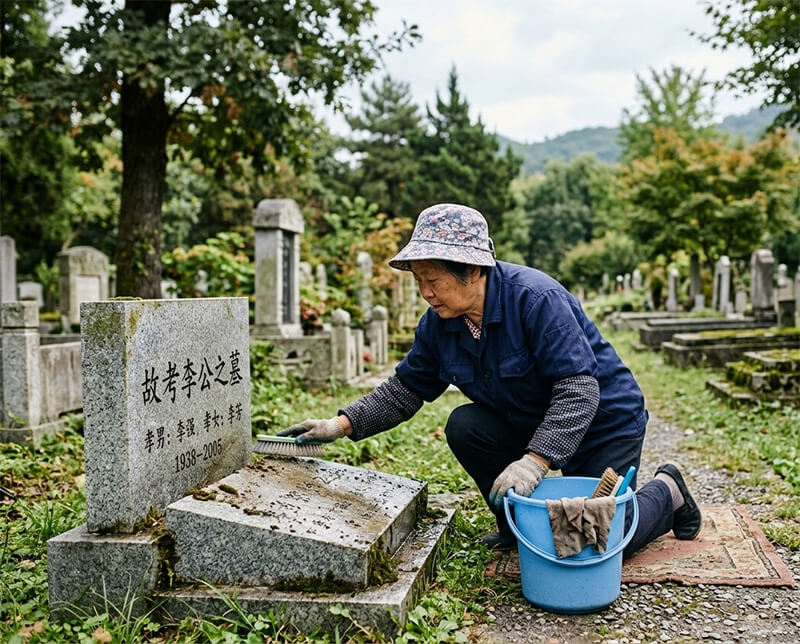
Once you’ve recieved permission, it’s essential to use appropriate cleaning techniques. The National Park Service (NPS) recommends the following approach:
- Start with water only: Use soft brushes and plain H₂O for initial cleaning
- Test a small area: Always test on an inconspicuous spot first
- Use approved cleaners: If water isn’t enough, ask for cemetery-approved products
- Gentle pressure: Never use power washers or abrasive tools
- Natural drying: Let the stone air dry; don’t use heat
State & Local Regulatons
Different states have varying laws regarding cemetery maintenance. Some key facts:
- New York: Requires written consent from cemetery trustees for any maintenance work
- California: Has specific statutes (CA Health & Safety Code §8300-8785) governing cemetery operations
- Texas: Allows family members to maintain plots but requires compliance with cemetery rules
- Massachusetts: Historic cemeteries have additional protections under state preservation laws
Approx 23 states have laws specifically addressing historic cemetery preservation, often requiring permits for any work on markers older than 50 years.
Best Practices for Headsone Care
To ensure you’re acting legally and responsibly:
- Contact cemetery administration at least 2 wks in advance
- Document the headstone’s condition w/ photos before cleaning
- Use only approved materials and methods
- Work during cemetery operating hours
- Bring proper identification proving your relationship to the deceased
- Consider hiring professional conservators for valuable or historic markers
The International Cemetery, Cremation and Funeral Association (ICCFA) reports that professional headstone cleaning costs btw $100-$500, depending on size and condition.
What to Avoyd
Certain practices are illegal or prohibited in most cemeteries:
Never Use:
- Bleach or acidic cleaners
- Wire brushes or metal scrapers
- Pressure washers or power tools
- Sandblasting equipment
- Oil-based products or sealants
Studies show that acidic cleaners can reduce limestone headstone thickness by up to 2mm per application, significantly shortening their lifespan.
Conclussion
Yes, you can legally clean a headstone at the cemetary, but only with proper authorization and using appropriate methods. The key is communication—always contact cemetery management first, respect their guidelines, and prioritize preservation over perfection.
Remember that headstones are not just family heirlooms; they’re historical artifacts that tell stories abt our past. By following legal procedures and best practices, you ensure these markers will be preserved for future generations to appreciate.
If you’re unsure about any aspect of headstone maintenance, consult with professional conservators or organizations like the AGS, which provides free resources and guidance for responsible cemetery stewardship.
🏛️ Professional Headstone Solutions
We are professional headstone manufacturers
With decades of experience in crafting durable, beautiful memorial markers, we understand the importance of proper care and maintenance. Whether you need a new headstone, professional cleaning services, or expert restoration, our team is here to help preserve your family’s legacy.
Contact us today for a consultation and let us assist you in honoring your loved ones with dignity and respect.