
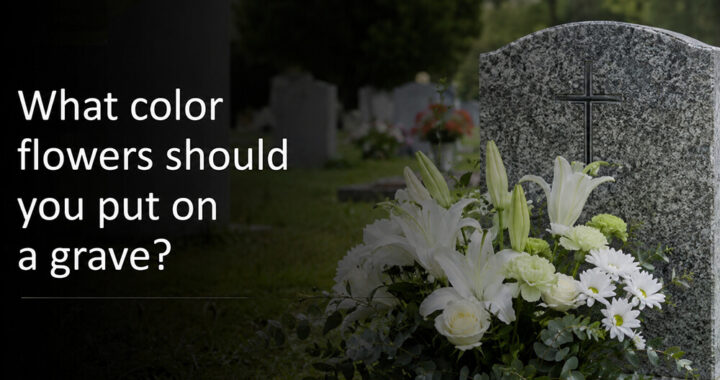
Going to a graveside is usually a moment of silence and emotions. Some folks take flowers along to give a gesture of love, respect, or remembrance. Yet, many families continue to pose the question: which color flowers are appropriate for a grave? The reply varies based on tradition, religion, personality, and the message you intend to express.
Besides pleasing the eyes, flowers often carry symbolic meanings. In several parts of the world, particular tones are associated with sorrow, peace, hope, or everlasting love.
White Flowers: Peace and Respect
White flowers are among the top picks for grave sites. They stand for peace, innocence, and memory. Relatives normally opt for white roses, lilies, or chrysanthemums on the occasion of a funeral or while visiting a gravesite.
Across Europe and America, white blossoms are frequently seen at memorial services for they evoke a sense of tranquility and respect.
A lot of people believe that these flowers contribute to creating a serene ambiance beside the grave.
For instance, a lady from Canada disclosed on the Internet that she puts white lilies on her father’s grave every Father’s Day because “they remind me of his quiet and gentle personality.” She added that, over the years, it has become a family tradition.
One of the reasons for the popularity of white flowers is that they go well with almost any color of a gravestone, whether the monument is of black granite, gray granite, or marble.

Red Flowers: Love and Deep Emotion
Red flowers usually represent deep love, courage, and strong emotions. Red roses are often placed on the graves of husbands, wives, parents, or close partners.
Some people don’t want a grave to look too cold or formal. They choose red flowers because they feel more personal and emotional.
According to funeral service studies in the U.S., roses remain one of the top flower choices for memorial ceremonies because of their symbolic meaning and long cultural history.
Red carnations and tulips are also common. They can make a memorial look warmer and more alive.
Pink Flowers: A Symbol of Kindness and Warm Memories
Pink blooms are usually a symbol of caring, tenderness, and cherished memories. In fact, lots of families choose pink flowers for mothers, grandmothers, sisters, or even children.
Pink carnations and pink roses are quite popular options because these flowers evoke a gentler mood even at the cemetery.
A couple in the UK told us that “every spring they brighten up their grandmother’s grave with pink flowers as she loved gardening and soft colors.” Besides that, it continues to be a source of comfort for them even years later.
It may not seem like much, but these little things could make a difference, especially when someone is grieving. Death and loss counselors agree that developing personal memorial rituals through grief help alleviate the pain and guide people back to stability over time.
Yellow Flowers: Friendship and Warm Memories
Yellow flowers are a lively choice and deeply significant. Typically, they are the colors of friendship, warmth, and cheerful recollections.
While some people keep away from yellow as they consider bright colors to be out of place in cemeteries, others think that yellow flowers depict happiness and celebration of the person’s life rather than sadness alone.
Sunflowers, yellow roses, and daffodils are examples of the most frequently used flowers. In fact, they are mainly placed on the graves of friends or people who had sunny dispositions.
In case a person was famous for spreading laughter and joy, yellow flowers could represent a great gesture, sincere and very touching.
Purple and Blue Flowers: A Spiritual and Noble Interpretation
Purple flowers have traditionally been associated with nobility, respect, and the spiritual realm whereas blue flowers may represent tranquility, serenity, and everlasting optimism.
This color scheme is one of the trending elements for the contemporary cemetery landscaping, especially in Europe. Lavender, hydrangeas, and blue blue irises placed beside memorial stones have a long history of association with one another.
The reason some families settle on these colors is they beautifully stand out beside sleek granite monuments.
Seasonal and Cultural Changes Are Important
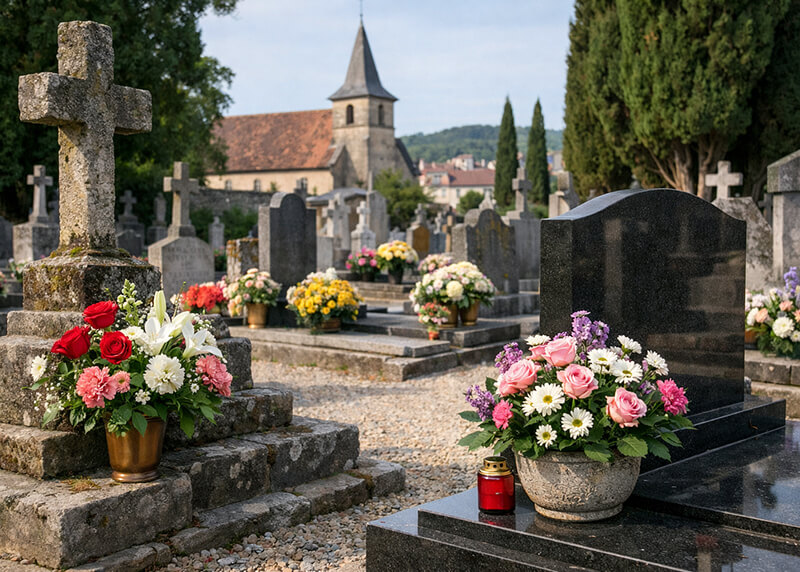
The color of flowers can vary with cultures and religions as well. In some Asian countries, white flowers are considered the color of funerals whereas red is not even allowed in mourning situations. Other places use colorful flowers as they are a symbol of life.
Seasons are a factor as well. Artificial flowers or wreaths are the norm in winter as fresh flowers might not survive the cold weather.
Here is an important reminder: as a courtesy to the families who own the graves, you should always check the cemetery regulations before putting flowers. Glass/large arrangements might be disallowed by some cemeteries.
There’s No Perfect Answer
No single “perfect” flower color exists for gravesites after all. Often, choosing a flower color that reflects a person’s life, their character, or your relation to them is the best choice of all.
Many families stick with the classic white flowers. However, some choose brightly colored flowers to represent the cheerful and vibrant personality of the deceased.
The point is not really which color you pick but that there is a reason or a story attached to it.
Even a tiny bunch of flowers can express that you are still in our thoughts and you are still deeply loved.