
What Does the Bible Say About Keeping Ashes After Cremation?
Outline Summary
This article explains what the Bible says about keeping ashes after cremation, including burial customs, resurrection hope, respect for the body, church traditions, and family decisions.
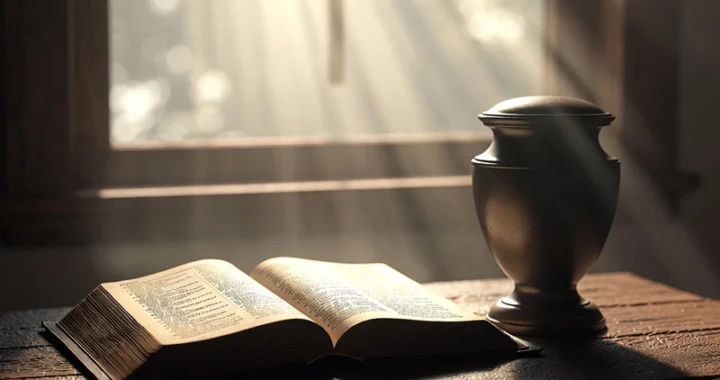
After a loved one has passed away, many families wonder: What does the Bible have to say about keeping ashes after cremation? For some people, the picture of the urn on the mantel is a token of love. For others, it might feel strange or even wrong. Therefore, grief is one of the factors that can make this decision emotionally difficult.
Biblically speaking, there is no direct command that either forbids or allows a person to keep cremated ashes at home. The Bible mostly talks about respect for the body, hope for resurrection, and reliance on God rather than the exact location where the ashes must remain.
This, however, does not mean that Christians do not need wisdom, prayer, a peaceful family, and guidance from the church when they come to this decision.
Is Keeping Ashes Mentioned in the Bible?
The Bible was written in a time when burial was the common practice among the people of Israel. Abraham’s burial of Sarah in a cave in Genesis 23 is just one example. Joseph requested that his bones be taken from Egypt in Genesis 50:25. Jesus was laid in a tomb after His death in Matthew 27:59, 60.
These passages show that burial was a deeply meaningful custom. Besides being a manifestation of love, it was also an expression of respect and hope. However, the Bible does not say that burial is the only method God accepts. It also doesn’t state that one keeping ashes after cremation is a sin.
Why is this an issue? Many families worry they might have done something wrong. A widow may see her husband’s urn and ask herself, “Have I dishonored him?” A son can end up keeping his father’s ashes because he cannot let go. A daughter might be in a dilemma since her mother’s wish and her church’s custom are not the same.
Here, the Bible allows for reassurance. The body’s condition after death is not something that restricts God in any way.
“Dust to Dust” and the Meaning of the Body
It is stated in Genesis 3:19 that man returns to dust. Ecclesiastes 12:7 further explains that dust returns to earth, while the spirit returns to God who gave it. Neither verse commands cremation or burial. Instead, they indicate that human life is only a loan from God.
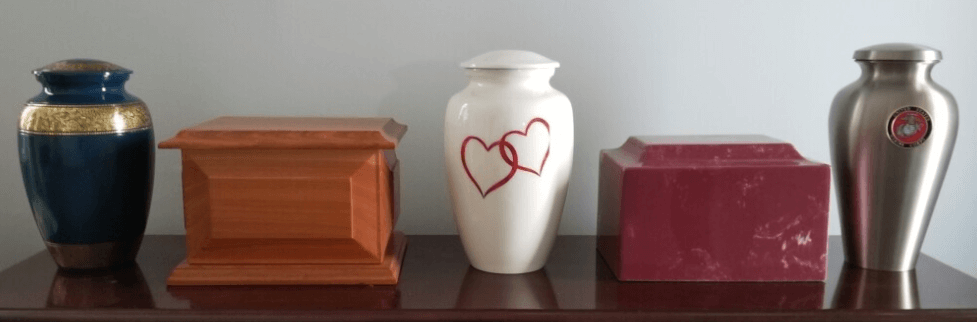
The body is inherently valuable since God is the Creator. Treating ashes as garbage, a handicraft, or a lucky charm is not the behavior for a Christian. The remains of a person should be treated with respect. This statement can be considered whether the body is buried in a cemetery, kept in a columbarium, or stored in an urn.
The Bible is not only concerned with the way, but also with the heart. Are the ashes treated with love and respect? Are they used in a way to cover up death? Are they turning into a source of fear or worship? These questions have significance.
What About Resurrection?
A few people fear that by cremating, one may hinder resurrection. But this fear is not even biblical.
1 Corinthians 15 reveals that God is the one who raises the dead by His power. The same chapter talks about the body being raised in a different form. Along with that, Matthew 10:28 brings out the fact that God has the power over both soul and body. Resurrection does not rely on whether the body is whole, buried, lost at sea, burned, or turned into ashes.
This can comfort many families who choose cremation.God does not require a flawless body in a faultless grave to raise the dead. If He made living beings out of dust, He is able to bring life from dust.
This is the reason why many believe that cremation is not the greatest concern. The greatest concern is the belief. Death is not the final word. God is.
A Human Example: Mary’s Choice
Mary lost her husband, Daniel, after being married for forty-three years. He had requested cremation since he didn’t want a large funeral. After the service, Mary brought his ashes home. She put the urn next to a framed photo and a small Bible.
Initially, she felt a sense of consolation. However, she soon started to feel anxious. A friend told her, “Christians shouldn’t keep ashes at home.” Mary was ashamed. She reached out to her pastor for guidance.
Her pastor turned to Scripture with her. He pointed out that there is no direct instruction in the Bible against keeping ashes. Also, he reminded her that it is her heart which matters. If the urn was a means by which her grief was accompanied by hope, then it was very different from worshiping the ashes. On the other hand, if the urn kept her sorrow in a way that was immovable, then it may be that it was time for her to find a cemetery or a church memorial garden to lay Daniel’s ashes.
Mary afterward decided to keep the ashes in her possession for the duration of one year. On their wedding anniversary, her family came together, and they placed them in a small cemetery plot. She said, “I didn’t feel like I was losing him again. I felt like I was giving his memory a place to rest.”
Her story illustrates the human aspect of this question. The problem is not simply theology. It is also grief, love, and healing.
When Keeping Ashes May Become a Problem
Keeping ashes at home is not condemned by a clear Bible verse. Still, it can become unhealthy in some cases.
It may become a problem if the ashes are treated like the person is still present in the same way. It may also become a problem if a family refuses to face death, or if the urn becomes a source of conflict. Some people may even use ashes in jewelry, art, or home decor. Christians may disagree about these practices because they can blur the line between remembrance and misuse.
The Bible warns against idolatry. Exodus 20:3–4 teaches that God’s people should not make created things into objects of worship. This does not mean a photo, grave marker, or urn is wrong. It means the heart should stay fixed on God, not on an object.
A loved one’s remains should receive care, but they should not replace trust in God.
Church Traditions Can Differ
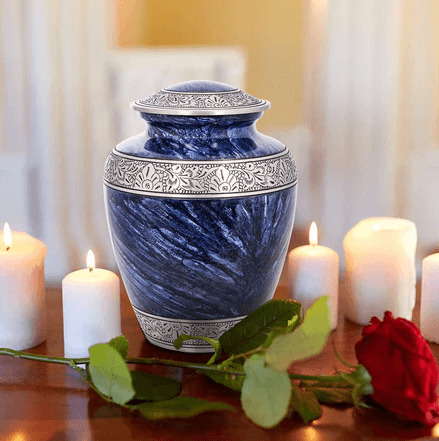
For Christians, customs vary widely. Some churches prefer burial because, in their view, it follows the pattern often seen in Scripture and supports the Christian hope of resurrection. Others permit cremation, yet they suggest that ashes ought to be buried in a cemetery, churchyard, or placed in a columbarium. It is also not uncommon that families keep ashes at home for a while, until they decide on a permanent resting place.
That is the reason why a chat with a pastor, priest, or church leader can be quite beneficial. Although the Bible does not provide an explicit command, your church might have a doctrine or practice that could be very helpful for your family in avoiding conflicts.
Besides, it is never a bad idea to look ahead a little. After the one who is keeping the ashes passes away, who will be the one to take care of them? Can the children come to an agreement on what should be done? A decision made out of love today should not be the cause of grief tomorrow.
A Biblical Response Full of Respect
So, does the Bible mention anything about keeping ashes after cremation?
Not in direct words. It neither forbids nor commands it. The Bible portrays the body as something significant, recognizes the reality of death, acknowledges the need for care in grief, and declares God to be the one who can raise the dead. In a way, it shows families the right ways of honor, hope, and faith.
When you decide to keep ashes at home, make the decision with reverence, not superstition. If you are going to bury them, do it with love, not fear. Placing ashes in a memorial garden should be done with a hopeful spirit. If you are still unsure, get some advice and pray.
There is no single verse that is capable of answering every question related to modern cremation. Nevertheless, there is a biblical truth that is very clear: the one you love is not lost on account of what was done to the body. God knows them. God remembers them. God’s power is mightier than ashes, graves, and death itself.
For a broken heart, this truth can bring peace.