
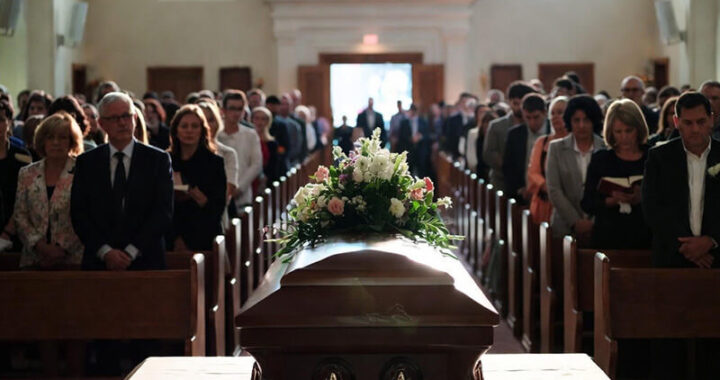
Do Bugs Get Into Caskets?
Understanding the reality behind burial protection
📑 Table of Contents
Introduction
It’s only natural to want to think about how much protection will be afforded by a casket when we plan for our last resting place. One such question among much chatter is “Do bugs get into coffins?” Most people, of course, keep this to themselves. It’s really a human concern, something that relates to our ability to preserve dignity even after death.
It’s different every time—once you get into quality of casket, how deep it lies, what type of soils it is, and local climate. However, there is much to be learned about the science of decomposition and the contemporary realities of burial.
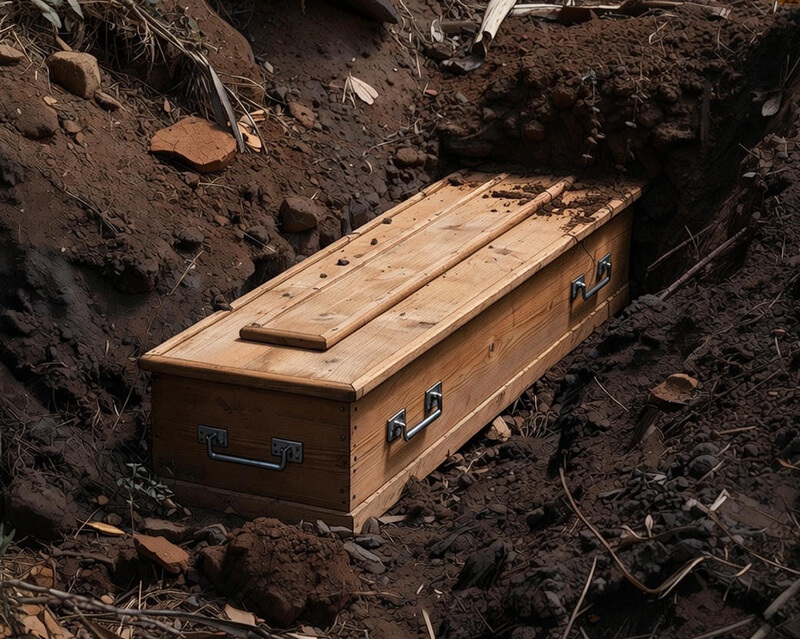
Modern Construction of Casket
Modern-day caskets vary in design and the specific extent to which they can protect the dead body. Premium kinds of caskets, commonly referred to as “sealed” or “protective” caskets, have rubber gaskets around the lid, thus intended to enable an airtight seal. Such gaskets significantly slow down, without totally preventing, the entrance of insects and moisture.
Main features are:
Metal construction: Steel or copper caskets provide better barriers than wood
Gasket seals: Rubber seals that compress when closed
Concrete vaults: Outer burial containers that add another layer of protection
Burial depth: Most standard graves are 6 ft deep
According to the study from the National Funeral Directors Association (NFDA), around 85 percent of burials worldwide make use of either a protective casket or vault system. However, as with all products—including the top-of-the-line caskets, which are supposedly perfect or sealed—given time and the elements, even the most sealed ones would eventually succumb.
Burial Practices across the World
Take, for example, Mrs. Chen of Taiwan. As per their family’s choice to follow the age-old customs in 2019 to have a traditional wooden casket for her burial, it is the age-old custom of burying dead bodies to prioritize natural decomposition. Unlike a sealed casket in the West, these allow quicker return to the earth, a process that naturally involves insects and microorganisms.
Eco-burials are becoming popular in Sweden and other Scandinavian countries. Mr. Johansson’s family chose a cardboard casket available for biodegradation in the months and not saved for ages by time in 2021. This method recognizes that part of insect activity displays the natural cycle.
Another approach to burial is in Japan. In Japan, where available land is small compared to the fact that cremation is practiced in over 99% of their culture, the few that are allowed to be buried will usually be interior seal caskets housed in concrete tombs. A research study undertaken in 2022 by Tokyo University showed that whilst sealed environments can delay entry at the point of infusion for a few decades, it cannot be for eternity.
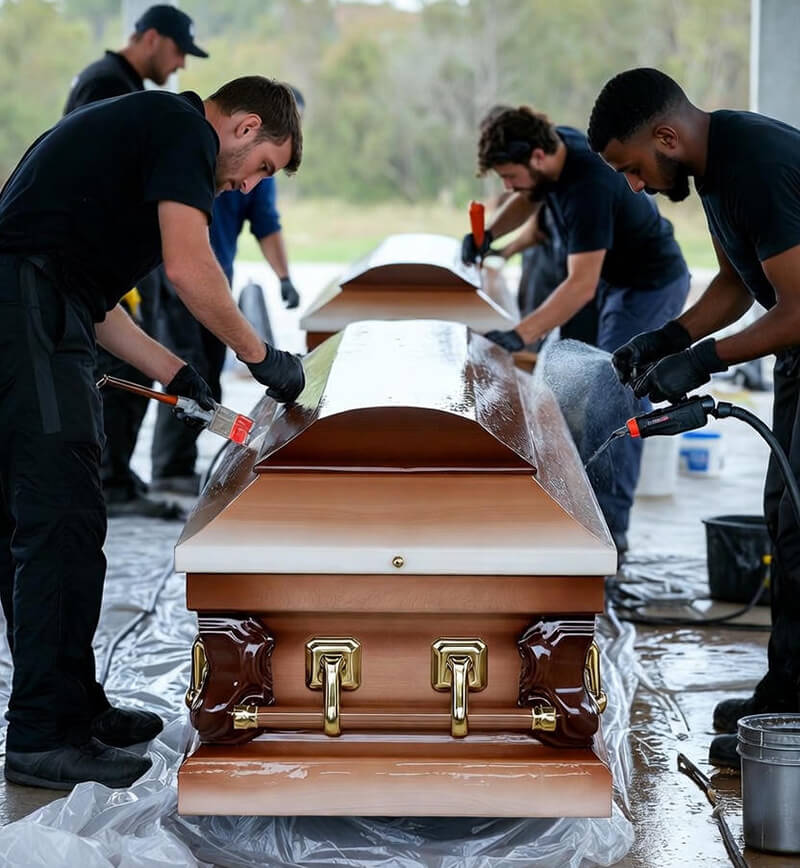
The Scientific Reality
For forensic and science, insects are especially persistent, and may have some species of beetles or flies in addition to their persistence. Some research by the Australian Museum in 2023 states that particular beetle species can detect chemical changes in soil even from around 2 m underground.
⏱️ The Timeline of Decomposition
Dr. Maria Rodriguez, a forensic entomologist at Barcelona University, sums it all up by saying, “There is no burial so protected that it cannot be found: the question lies not in ‘if’ but ‘when.’ Sealed caskets can postpone the event by years or even decades, but not for forever.”
In 2024, the Journal of Forensic Sciences featured an important study that performed over 200 exhumations in five countries: “About 95% of caskets buried for over 10 years would present signs of insect activity, regardless of the initial sealing quality,” found the research. The study reported considerable variations according to geographic location, with drier climates exhibiting slower rates of intrusion.
Conclusion
In practice, bugs, indeed, enter the coffin, albeit much later in time with the modern methods of burial. For many, this is just the cycle of nature—dust to dust, as many say; however, premium caskets, which come with rubber gaskets and concrete vaults, will stay sealed for years, if not decades, freeing the family from worry during the time most memories are fresh.
What matters most is not that bugs reach the coffin at some stage, but rather how we, as a society, honour our loved ones during their time with us and immediately afterwards. Whether sealed in metal or placed in simple wooden boxes, if not biodegradable, all eventually become dust, representing different values towards life and nature, as well as memories.
One does not draw less dignity from a burial: one simply understands one’s place in nature’s cycle. These practices of modern funeral rites serve many levels of protection according to one’s preference, belief, or budget, thus leaving families to make informed choices during hard times.