
📋 Table of Contents
How Long Do Ashes Last?
Many people ask, “How long do ashes really last?” In fact, human ashes or cremains are the remains of a cremation. They mainly consist of calcium, minerals, and a few other trace elements. When kept in an urn, ashes can last for a very long time. Indeed, if well taken care of, they can last for several hundred years.
Unlike the organic material of the body, ashes are not the same. They simply don’t rot or decompose like a body in soil. That is one of the reasons cremains are a favorite for those wanting a lasting memory of their deceased ones. Most commonly, families hold onto ashes in their homes, in columbariums, or scatter them in nature. Whether ashes are preserved or not depends to some extent on the storage option, but generally, ashes remain unchanged for quite a few years.
Storage Matters
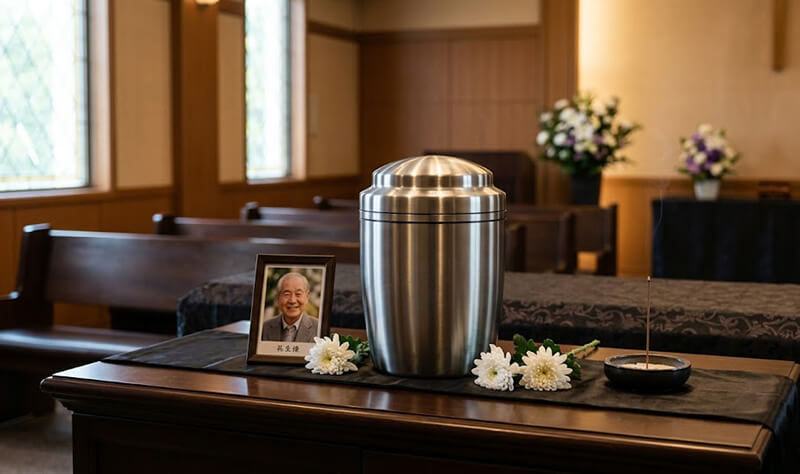
The urn’s material plays a big role. Metal urns, like bronze or steel, shield ashes from the elements, moisture, and air. Ceramic urns are quite sturdy, but they may break if dropped. Wooden urns are lovely but over time, may let in tiny amounts of moisture. A perfectly sealed urn will keep the ashes in their original state. Some even go for airtight urns to make sure ashes are well preserved.
To illustrate, Mr. James, a gentleman in Ohio, stored his wife’s ashes in a steel urn for 20 years. He stated that the ashes appeared exactly as on their cremation day. That is a testament to the fact that with a quality urn, ashes can retain their original appearance. Besides, there are families who have had their urns for 50 or even 100 years, and they still look unaltered.
Environment and Location
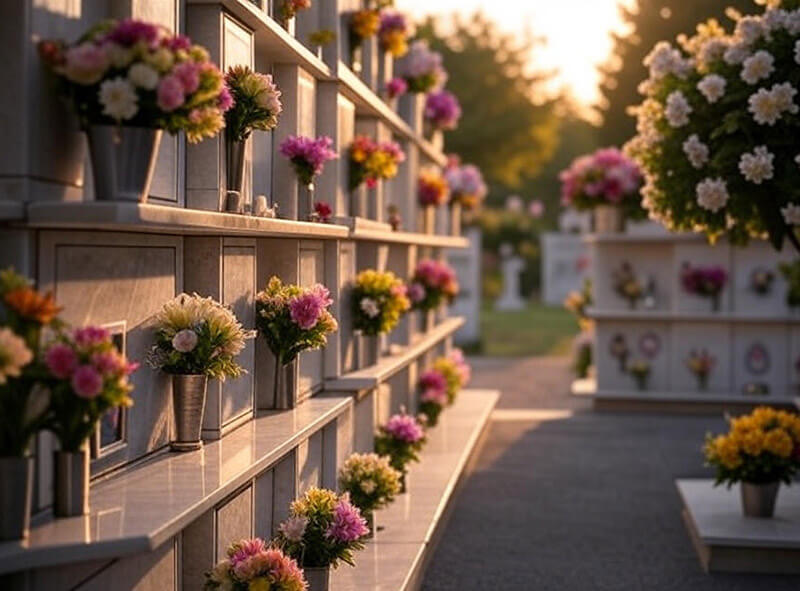
The environment also makes a difference. Ashes that are kept in a dry room will last longer than ashes that are stored in damp places. Avoid high humidity, heat, or direct sunlight. A closet, a shelf, or a special memorial room would all be suitable locations. Some people put ashes in columbarium niches. This is usually indoors and climate-controlled, which is a good way to preserve ashes for decades.
Examples Around the World
In Japan, it is common for families to keep ashes in home altars called butsudan. Some of the urns have been handed down in families for generations. In the U.S., most families go for urn vaults buried at cemeteries. These vaults keep ashes safe from water and soil, so they can last for centuries. In both cases, the storage method aids in keeping the ashes in good condition.
Science Behind Ash Preservation
Cremains, or ashes, are mostly made up of inorganic minerals, primarily calcium phosphate. This is why they are very well preserved. Unlike things that can decay, ashes do not provide a place for bacteria or mold to grow. Research reveals that ashes stored in suitable urns can remain chemically unchanged even after 100 years. The type or size of the urn does not matter for preservation, but sealing and storing conditions make a difference.
Human Stories
People find the ashes meaningful; in fact, they attach great significance to them. For example, some people throw the ashes in the rivers or seas, others keep the ashes in the urns and place them in the homes or in the gardens. Mrs. Lopez who lives in Spain has her father’s ashes in a bronze urn on a shelf. She says that looking at them every day makes her think of her father. Tales like hers remind us that ashes are more than just minerals, they are memories.
Ashes are more than just minerals — they are memories, and with the right care, those memories can endure for generations.