
Do They Seal Caskets From Water Before Burial?
Table of Contents
When someone we love dies, we want to protect them. Many familys wonder if caskets can keep water out after burial. The answer is more complicated than a simple yes or no.
What Is a Sealed Casket?
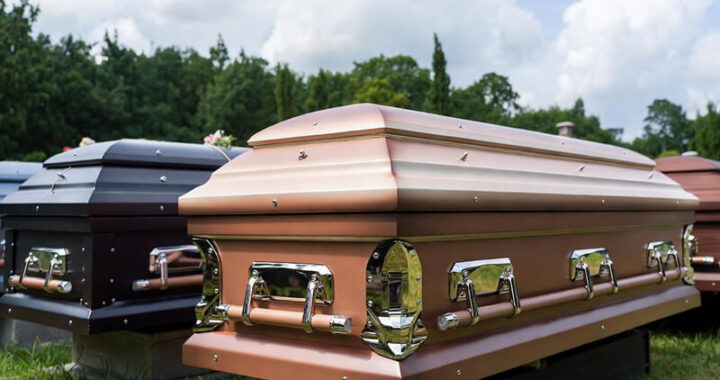
A sealed casket has a rubber gasket that runs around the edge of the lid. When you close the casket, this gasket creates a tight seal. Think of it like a tupperware container for food. The gasket trys to keep air and moisture out.
Funeral homes sell two main types of caskets. Non-sealed caskets are simple boxes made from wood or metal. Sealed caskets (also called “protective” or “gasketed” caskets) have that special rubber seal. The US funeral industry started selling sealed caskets in the 1940s.
Manufacturers like Batesville Casket Co. and Matthews International make most sealed caskets from steel, copper, or bronze. These metals don’t rot like wood does. The gasket itself is made from rubber or a similar material that stays flexable for years.
How Does Casket Sealing Work?
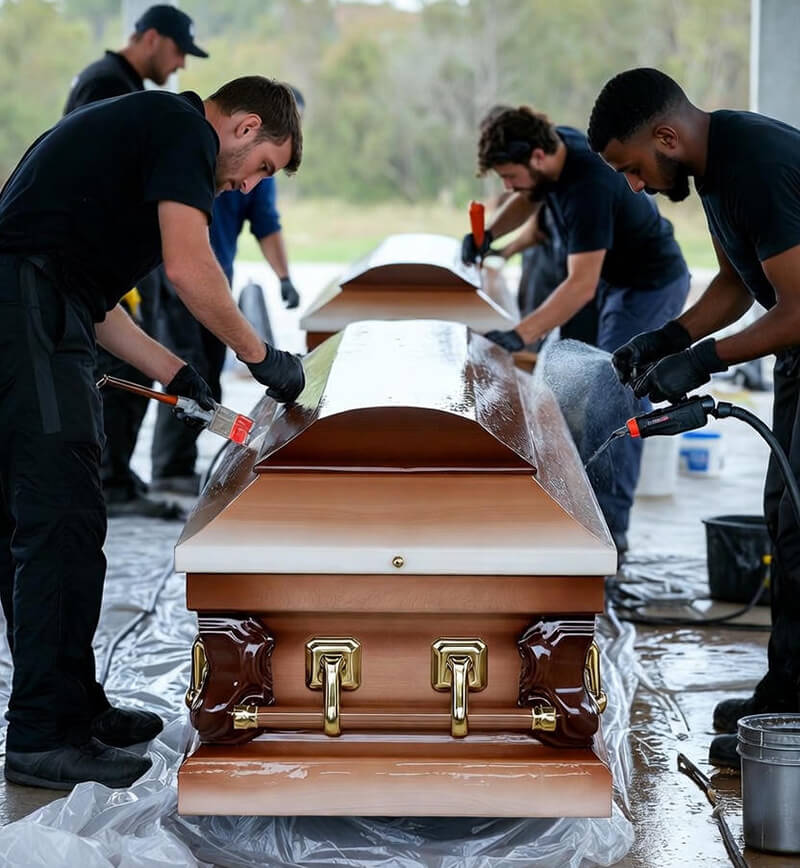
The sealing process happens after the funeral service. A funeral director uses a special key or crank to turn a mechanism on the casket. This mechanism pulls the lid down tight against the rubber gasket. Some caskets have a locking bar that runs the full length of the casket.
The National Funeral Directors Assoc. (NFDA) says sealed caskets became popular becuz families wanted extra protection. People felt better knowing their loved one had this barrier against the elements.
Modern sealed caskets use diferent sealing systems. Some have continuous welds along the seams. Others use multiple latches that compress the gasket at varios points. High-end models from companys like the York Group might have double gaskets for extra protection.
Does Sealing Stop Water Compleetly?
Here’s the hard truth: no casket can keep water out forever. Even the best sealed casket will let moisture in over time. This happens for several reasons.
First, burial puts tremendous preshore on a casket. Six feet of dirt weighs thousands of pounds. This weight can crush even metal caskets, breaking the seal. The Casket and Funeral Supply Assoc. of America (CFSA) admits that all caskets will let water in at some point.
Second, rubber gaskets break down. Rubber becomes brittle when it sits in wet soil for years. Studies from cemetary management groups show that most gaskets fail within 5-10 years of burial.
Third, ground water is relentless. In areas with high water tables (like parts of LA, New Orleans, or coastal Florida), water surrounds caskets within hours or days of burial. The pressure from this water finds any tiny gap in the seal.
The Federal Trade Commission (FTC) made a ruling in 1984. They said funeral homes cannot claim sealed caskets will keep out water, air, or other substances for any specific time period. The FTC found these claims to be false advertising.
Real Stories From Families
Sarah Martinez from Houston shared her experiance with her father’s burial in 2015. The funeral home recommended a sealed bronze casket that cost $8,000. They said it would protect her father’s remains for decades. Five years later, the cemetary needed to relocate graves due to construction. When workers exhumed her father’s casket, water had gotten inside. Sarah felt the funeral home had misled her family.
James Chen from Seattle had a different story. His grandmother was buryed in a sealed casket in 1998. The cemetary sits on a hill with good drainage. When the family moved her remains to a family plot in 2018, the casket still looked good. Very little water had gotten inside. This shows that soil conditions matter as much as the casket type.
Rebecca Thompson works as a cemetary manager in Ohio. She has seen hundreds of exhumations over her 20-year career. She says sealed caskets in wet areas can create problems. The seal keeps decomposition gases inside. This can cause the casket to bloat and even burst. She recommends non-sealed caskets for most burials.
What About Burial Vaults?
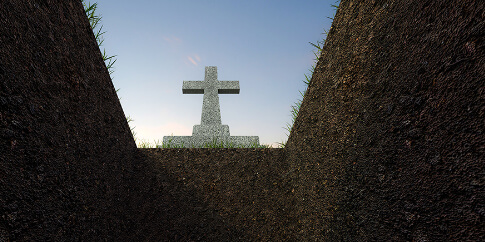
Many cemetarys require something called a burial vault or grave liner. This is a large concrete or polymer box that goes into the ground. The casket sits inside this vault. The vault has its own lid that seals with tar or a rubber gasket.
Vaults do a better job keeping water out than sealed caskets alone. Companies like Wilbert Funeral Services and Trigard make vaults from reinforced concrete that can be several inches thick. Some high-end vaults are made from polymer or fiberglass and have multiple seals.
However, even vaults let water in over time. The National Concrete Burial Vault Assoc. (NCBVA) says vaults protect against soil pressure and keep the grave from sinking. They make no claims about keeping water out permanantly.
Dr. Michael Kaminer, a forensic anthropologist who has studied decomposition, explains that vaults can slow water intrusion by 10-20 years in good conditions. But in flood-prone areas or locations with high water tables, vaults fill with water just like caskets do.
How Much Does Sealing Cost?
The price difference between sealed and non-sealed caskets can be substantial. A basic non-sealed metal casket might cost $800-$2,000. A sealed casket with the same design starts around $2,500 and can go up to $15,000 or more.
Burial vaults add another layer of expence. A basic concrete grave liner costs $700-$1,200. A sealed burial vault ranges from $1,500 to $10,000. Premium stainless steel or bronze vaults can cost $15,000-$30,000.
The total cost for a “protective” burial system (sealed casket plus sealed vault) can reach $20,000-$40,000. Many families spend this money becuz they believe it will preserve their loved one’s remains. But the science doesn’t support this belief.
Consumer Reports did an investigation in 2019. They found that sealed caskets offer no real preservation benefit compared to non-sealed caskets in the same burial conditions. The money spent on sealing features could go toward other memorial options like a scholarship fund or a memorial bench.
The Environmental Side of Things
Some environmental groups like the Green Burial Council argue against sealed caskets. They say sealing caskets and vaults prevents natural decomposition. The body becomes isolated from the soil.
In a natural burial, the body returns nutrients to the earth. Microorganisms break down the remains, feeding plants and other life. Sealed caskets and vaults slow this process by decades or even centurys.
Dr. Billy Campbell, who started the first modern green cemetary in the USA in 1996, explains that sealed caskets create a preservashun chamber. This goes against natural cycles. He recommends biodegradable caskets made from bamboo, willow, or cardboard for people who want an eco-friendly burial.
The EPA has also studied cemetary practices. They found that metal caskets and concrete vaults take up significant resources to manufacture. The carbon footprint of a traditional sealed burial is much higher than a green burial.
Making the Right Choise for Your Family
When you plan a burial, think about what matters most to you. If you want to spend money on a sealed casket and vault, that’s your right. But go into it with realistic expectations.
Ask your funeral director direct questions. According to FTC rules, they must be honest about what sealing can and cannot do. Get answers in writing if possible.
Consider these facts:
- All caskets let water in after time passes
- Sealed caskets cost much more than non-sealed ones
- Local soil conditions matter more than the casket type
- The FTC prohibits claims about long-term protection
- Environmental impact is greater with sealed burials
Some families find peace in knowing they purchased the most protective option available. Others prefer to spend funeral money on things like a memorial celebration, charity donations, or family gatherings that honor the person’s memory.
Karen Rodriguez, a grief counselor with 15 years of experiance, says the casket choice doesn’t affect the grieving process. “Healing comes from processing emotions and having support,” she explains. “The casket is just a container. What matters is how we remember and honor the person.”
Remember that death and decomposition are natural processes. Every culture throughout history has dealt with this reality in different ways. There’s no right or wrong answer when it comes to burial choices. The best decision is the one that brings your family comfort and fits your budget.
If you’re planning ahead, talk with family members about their wishes. Some people care about having a sealed casket. Others would rather have a simple pine box. These conversations can help prevent confusion and conflict during a time of grief.
Key Takeaway: Sealed caskets use rubber gaskets to create a barrier against water and air. However, no casket can keep water out permanantly. Ground pressure, gasket breakdown, and water tables all work against the seal. The FTC requires funeral homes to be honest about these limitashuns. Whether you choose a sealed or non-sealed casket should depend on your values, budget, and realistic expectations.