
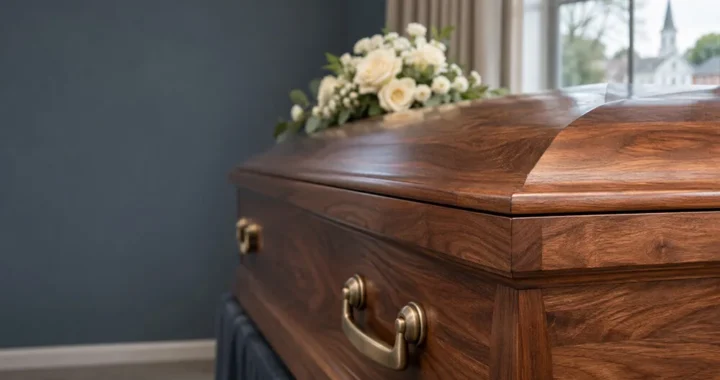
How Do Maggots Get in Caskets?
Picture a son at a monument shop with his father’s name penciled across a headstone drawing. He’s picked the stone and checked the dates. But he has one more question, and this one is about the casket. He watched someone close the lid. If it stayed shut, how could a fly get in?
There are two ways this can happen. A fly may lay eggs on the body before the lid closes. Some kinds of flies can also work through soil and find a small openning after burial. A maggot is a young fly. The closed lid you remember from the funeral tells you about one moment in time. It can’t tell you which of those things happened, or whether either happened at all.
The eggs can be there before the lid closes
A blowfly can lay eggs on exposed remains. Those eggs are small enough to escape notice. If they’re present when a body is placed in a casket, they may hatch inside it. The young insects never had to cross the lid or chew through a peice of wood.
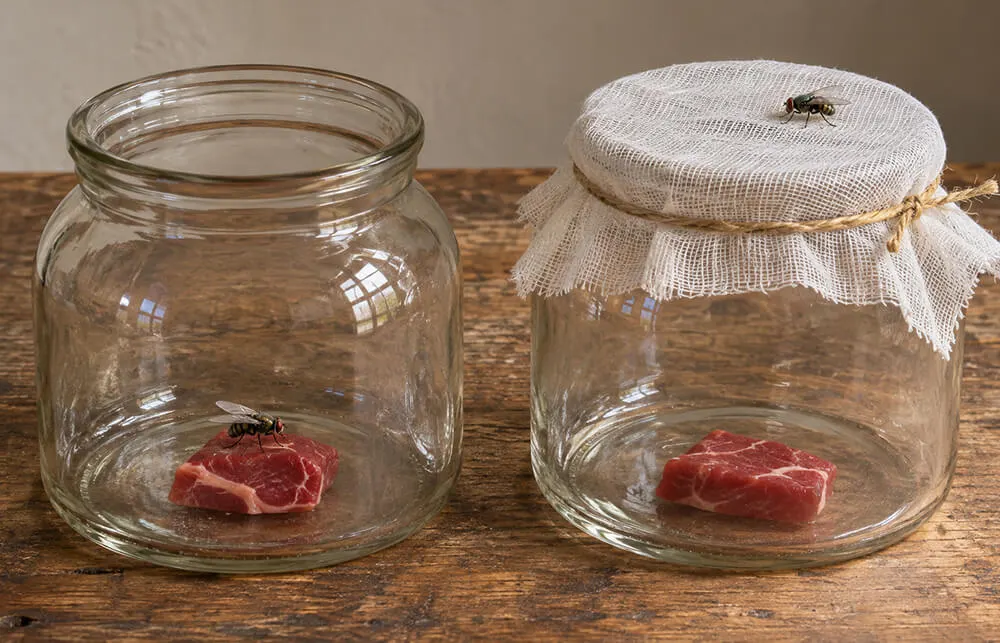
An Italian doctor named Francesco Redi found a plain way to show where maggots come from. He put meat in jars. Flies could land on the meat in an open jar. A layer of gauze kept them off the meat in another jar but let air pass through. Maggots appeared on the exposed meat. On the covered jar, the flies laid eggs on the gauze. The diffrence was what the flies could reach.
Temperature matters, too. Cool conditions slow the growth of fly eggs and larvae. Warmth within a fly’s normal range speeds it up. A summer burial and a burial in a colder climete can follow different timetables.
Can a fly reach a buried casket?
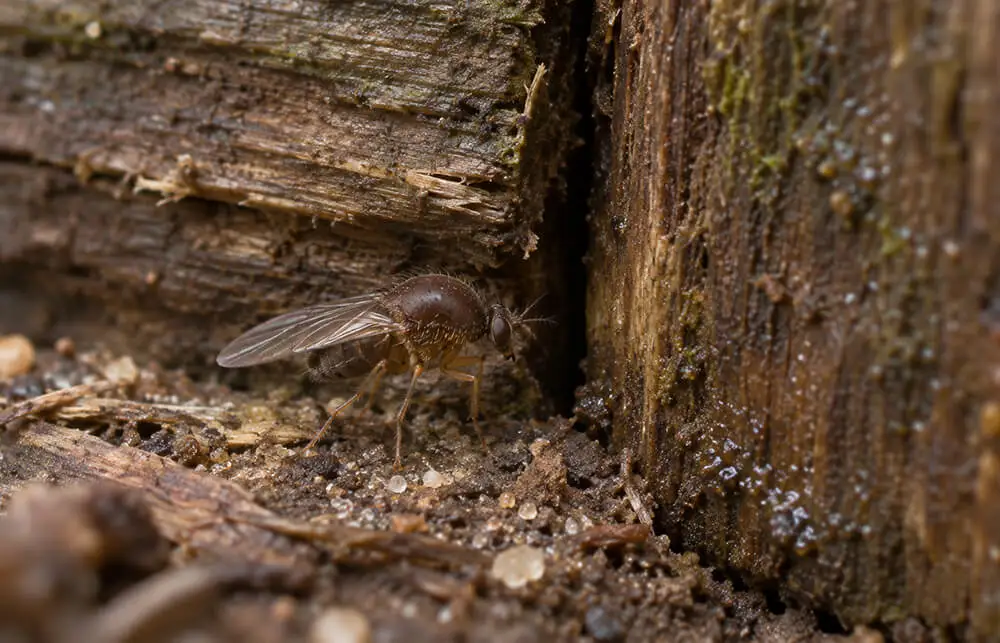
Think of the large fly that bumps against a kitchen window. A coffin fly is a much smaller insect with a way of moving you might not expect. A female coffin fly can burrow through soil to reach buried remains. If she finds a gap at a joint or a split in the wood, she may reach the inside of the casket and lay eggs.
One case in central Spain gives us a real exampel. A team examined a coffin from a grave eighteen years after the person’s death. Inside were adult coffin flies and the empty cases young flies leave as they become adults. Some adults had just emerged. The team could tell that flies had developed there. They couldn’t tell when the first fly got in. The eighteen years on the record measured the age of the grave.
What does a sealed casket do?
Some metal caskets have a rubber strip called a gasket. It fits between the lid and the rim to slow the entry of water. A burial vault is a seperate item. It sits around the casket and helps support the ground above it. Neither product promises to keep a body unchanged.
If flies never gain access and no eggs or larvae are present at burial, there won’t be maggots. The body can still break down through the work of its own enzymes and bacteria. That process doesn’t depend on insects.
What can a family tell from the grave?
Suppose the son comes back to choose the letering and mentions flies around the flowers on his dad’s grave. A damp bouquet gives insects a reason to gather. Flies among the stems can’t tell him what’s happening beneath the grass. He can lift the bouquet, empty the vase and replace the water if he wants to tend the spot.
If his quesiton concerns the casket his family chose, the funeral director can look up the model and explain its seal. The cemetary office can check the burial record for a liner or vault. Those are details a family can find out. No one can look at a headstone and read the conditons beneath it.