
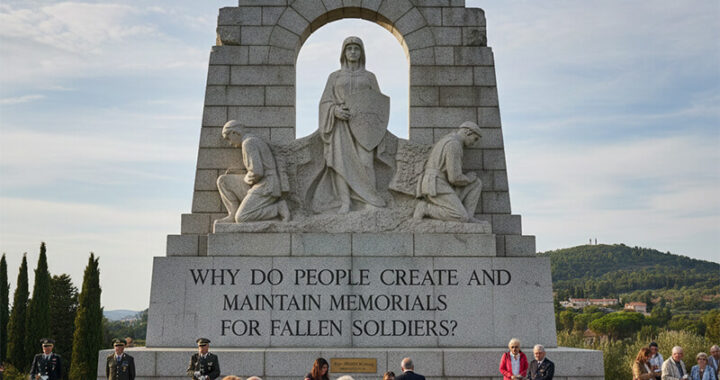
Why Do People Create and Maintain Memorials for Fallen Soldiers?
Table of Contents
Introduction
Every year, millions of people visit war memorials around the world—not because they’re forced to, but because they feel compelled to remember.These monuments stand as permanent tributes that reflect the deep human need to remember sacrifices made for their country. The construction and upkeep of memorials which exist for decades and centuries after wars end stands as a mystery to some, even though their purpose continues long after wars end.
Preserving Memory and Honoring Sacrifice
Memorials function as eternal markers which show the sacrifices soldiers made for their country. Memorials exist as permanent structures which rarely change significantly after their initial dedication to honor military sacrifice. The engraved names and soldier statues show us that these casualties were real people who had families and dreams which died along with them.
The upkeep work which includes site cleaning and flower placement and ceremony hosting becomes an act of respect for the dead. We demonstrate our remembrance through this action because we believe that their sacrifice will continue to hold value. People who visit memorials demonstrate their ongoing gratitude through their continuous dedication to this space.
A Real Example: The Vietnam Veterans Memorial
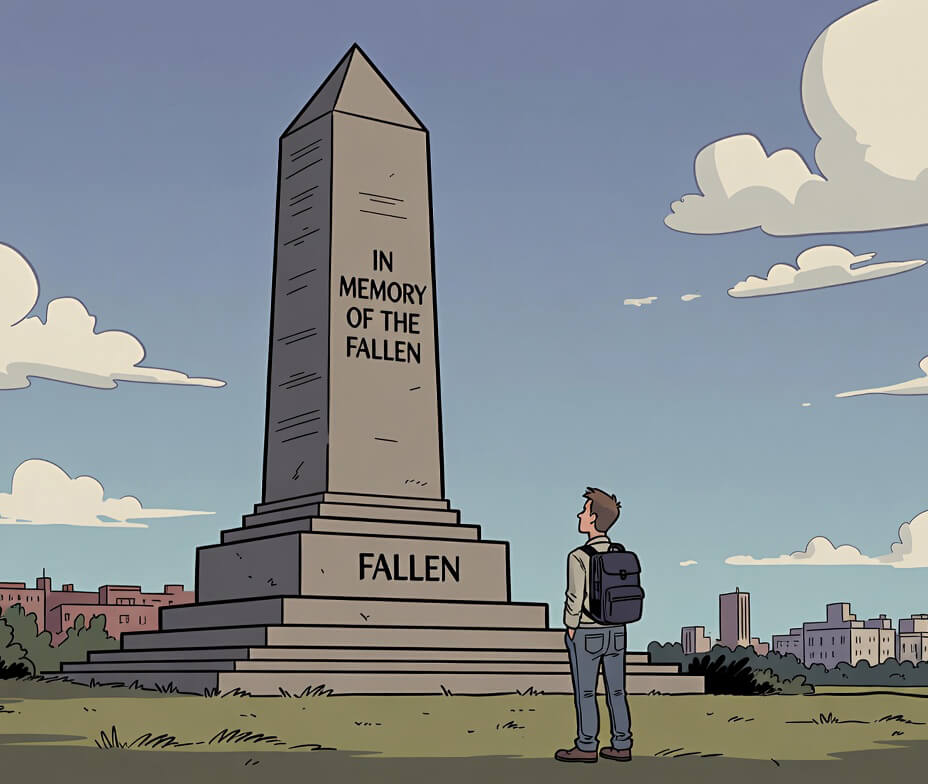
The Vietnam Veterans Memorial (VVM) in Washington, D.C., perfectly illustrates why memorials resonate so deeply. The memorial designed by Maya Lin and dedicated in 1982 displays the names of more than 58,000 U.S. service members who died or went missing in action during the Vietnam War.
The memorial achieves its strong emotional impact through its particular design. The black granite wall reflects visitors’ faces as they read the names, literally connecting the living with the fallen. The wall has received more than 400,000 objects which include letters, photos, dog tags, and personal items since it first opened. Family members create rubbings of their loved ones’ names to use as keepsakes.
According to the National Park Service (NPS), approximately 5 million people visit the VVM annually. Visitors to the memorial experience an emotional release when they finally shed tears which they have held back throughout their lives. Veterans who survived often come to connect with comrades they lost, finding a place where their pain is acknowledged and their service validated. The memorial has become more than a tourist site; it’s a pilgrimage destination where healing happens.
Providing Comfort and Healing
Memorials offer something that words often can’t: a place to grieve. The sites give families who lost their relatives in war their needed space to mourn their missing persons because they were KIA (killed in action) and their bodies were never found. The sacred spaces permit people to cry and remember while experiencing their loss in its entirety.
Research suggests that people who have a physical location for their grief process will achieve better healing results. People use memorials as burial sites when actual gravesites become unavailable to them. The memorial recognizes that a loss occurred but it also recognizes that the deceased person deserved to be honored through remembrance. This validation process becomes essential for families who experience complex grief during times of war when public support becomes divided.
Educating Future Generations
Memorials serve their purpose of remembering past events while they also create pathways for future development. The educational tools which they provide enable young people to learn about conflicts which they never experienced firsthand. A grandfather points out a name on the memorial to his grandson which makes history personal to them instead of being an abstract concept.
Numerous memorials display either museums or exhibits or informational material which describes the conflicts they honor. The U.S. Department of Defense (DOD) and Department of Veterans Affairs (VA) often partner with memorial organizations to ensure accurate historical information is presented. The sites help maintain memory of past events while ensuring that people will remember the knowledge which resulted from those experiences.
Facts matter here: according to various studies, students who visit war memorials show increased understanding of historical events and greater appreciation for military service. The experience of standing before thousands of names transforms statistics into human stories.
Creating Shared National Identity
Memorials serve the function of creating spaces where people can gather to remember their shared experiences. The country recognizes its national identity through these spaces which commemorate the sacrifices made by its citizens. The annual ceremonies which take place on Memorial Day and Veterans Day and the battle anniversaries of V-E Day and V-J Day create a communal experience of remembrance for the entire community.
The gatherings honor the deceased while they assist veterans and military families and they promote the values which society holds about dedication and bravery and selfless service. Public recognition of their military service helps veterans transition to civilian life because it reduces feelings of social isolation.
Memorials serve multiple purposes by creating connections between different generations. The memorial links contemporary service members to past military personnel which helps them feel part of a larger community. The bond between military personnel and their country strengthens the forces which unite military culture and national identity.
Conclusion
The human need for memorials which commemorate deceased soldiers exists because we create and maintain these memorials. Our need to remember exists together with our need to mourn our losses and show respect toward others while gaining knowledge through our memories. The monuments exist as pathways which link historical times with current events and connect living people with deceased individuals and link personal experiences of loss with shared community memory.
The Vietnam Veterans Memorial serves as an ideal example because it contains more than a name roster through which people can experience healing at its active memorial space for decades. The complete memorial consists of cleaned surfaces with flowers and name tracing which people perform to show their deep love and memory of the deceased.
Memorials serve to show us that freedom requires sacrifices which need to be acknowledged while the proper way to honor fallen heroes consists of permanent memory of their existence. The continued preservation of these spaces allows us to remember those who sacrificed their lives for our country so those soldiers can remain part of our national dialogue which holds great importance.